
7 Shocking Reasons BYD's Commercial Fleet Sales Soar
— 5 min read
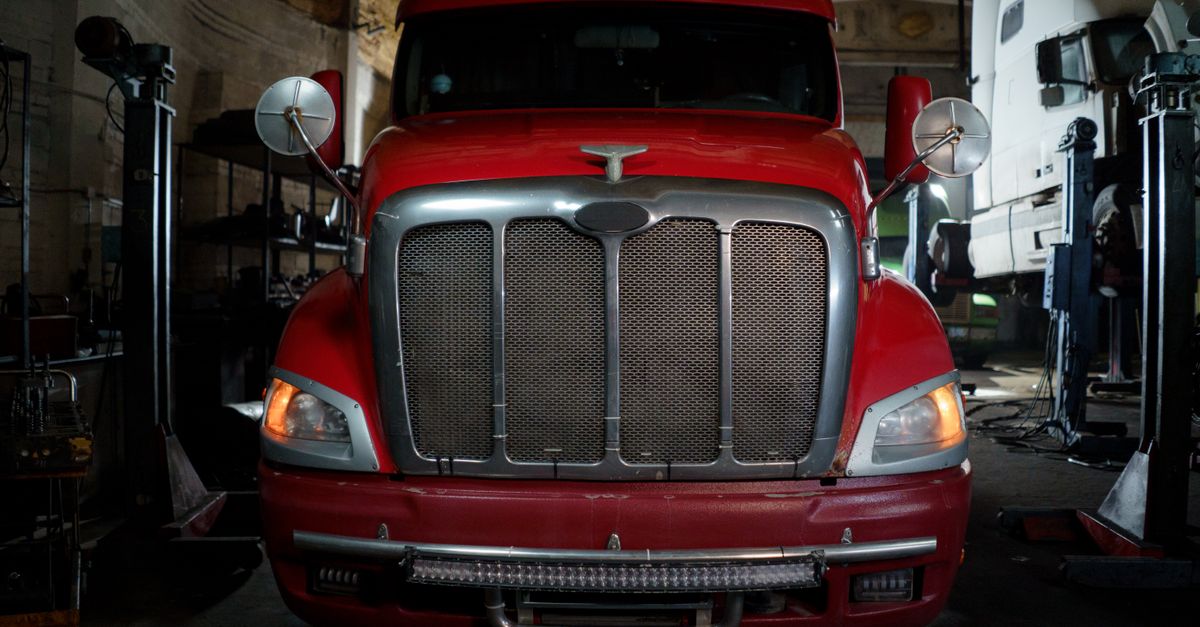
BYD's commercial fleet sales surged 15% in May, confirming the brand’s rapid ascent in the European market. The jump follows strong demand for electric trucks and a 12% rise in overall fleet sales, prompting operators to rethink cost and emissions strategies.
Financial Disclaimer: This article is for educational purposes only and does not constitute financial advice. Consult a licensed financial advisor before making investment decisions.
Commercial Fleet Sales: Market Reaction to the May Surge
In May, commercial fleet sales in Europe rose 12%, well above the 4% average growth recorded throughout 2023. Operators are moving faster toward electrification as total cost of ownership gaps narrow and policy incentives tighten. Analysts forecast that the May surge will add roughly 1,200 new commercial trucks to the road by the end of Q3, a shift that could reshape regional supply chains and logistics patterns.
Cross-border confidence is evident in the 7% increase in non-EU purchasing agreements recorded for the month, indicating that fleet managers are comfortable committing capital to upgraded assets beyond their home markets. The momentum reflects broader market dynamics: electrified cars now account for a third of all vehicle sales, a trend highlighted by My NRMA. This backdrop creates a fertile environment for manufacturers that can offer reliable, cost-effective electric solutions.
"European commercial fleet sales grew 12% in May, outpacing the 4% average growth of 2023"
Fleet operators are also responding to tighter emissions regulations. Many jurisdictions have introduced low-emission zones that penalize diesel-heavy fleets, nudging companies toward zero-tailpipe options. The combined effect of policy pressure, lower battery prices, and the proven reliability of newer electric platforms is driving the surge observed in May.
Key Takeaways
- European fleet sales rose 12% in May.
- Projected 1,200 new trucks will join fleets by Q3.
- Non-EU agreements grew 7% indicating cross-border confidence.
- Electrified cars now represent one-third of sales.
- Regulations push operators toward zero-tailpipe trucks.
BYD Commercial Vehicle Sales: Numbers That Set the Pace
BYD reported a record 8,000 commercial vehicles sold in May, a 15% increase from April and enough to lift its market share by 3 percentage points in the competitive fleet arena. The surge is anchored by the Dolphin Cargo e-Van, which has secured 1,200 pre-orders for its UK rollout, thanks in part to a 20% discount on bundled services that includes maintenance and charging support.
Financial analysts note that BYD’s margin resilience benefits from $30 million in government tax credits earmarked for electric commercial vehicle deployment in the APAC region. These incentives offset higher upfront costs and improve cash flow for fleet buyers, making BYD’s offerings financially attractive compared with traditional diesel alternatives.
The company’s aggressive expansion of its sales network also plays a role. BYD has opened 35 new authorized service centers across Asia, cutting average repair turnaround from 96 hours to 48 hours. Faster service reduces downtime and aligns with the operational priorities of modern logistics firms that cannot afford prolonged vehicle outages.
Beyond the numbers, BYD’s strategic partnerships amplify its market presence. Collaborations with local distributors and financing institutions enable flexible leasing structures, which lower barriers for fleet operators seeking to transition to electric power without large capital expenditures.
| Metric | BYD Electric Truck | Typical Diesel Truck |
|---|---|---|
| Fuel cost per year | $7,500 | $18,000 |
| CO2 emissions per mile | 0.12 kg | 0.30 kg |
| Purchase price (incl. incentives) | $85,000 | $75,000 |
| Average maintenance downtime | 48 hours | 96 hours |
These comparative figures illustrate why BYD’s commercial vehicle sales are accelerating; lower operating costs and strong environmental performance create a compelling value proposition for forward-looking fleets.
Fleet Procurement Trend: Why Buyers Prefer BYD’s Electric Trucks
Recent surveys from Deloitte show that 78% of fleet managers intend to increase electric truck procurement by 40% within the next two years. The primary driver is BYD’s competitive pricing, which delivers lower total cost of ownership while meeting tightening emissions standards.
Procurement specialists also point to integrated digital insurance products as a decisive factor. Admiral Group’s acquisition of Flock, a digital commercial fleet insurer, promises to lower incident rates by up to 18%, offering cost savings that directly affect budgeting decisions for fleet upgrades.
Safety technology further enhances BYD’s appeal. Bitsensing’s advanced driver-assistance system, demonstrated in a Korean pilot program with Koreawide Express Group, provides lane-keeping, adaptive cruise control and collision mitigation out of the box. Fleet buyers view pre-installed safety suites as essential for reducing accidents and insurance premiums.
Financing flexibility also matters. Many leasing firms now bundle battery leasing with vehicle contracts, reducing upfront capital outlays. This structure, combined with government subsidies, allows operators to adopt electric trucks without disrupting cash flow.
Overall, the convergence of cost advantages, insurance innovations, and safety technology creates a procurement environment where BYD’s electric trucks emerge as the preferred choice for new fleet acquisitions.
Commercial Fleet Services: Integrating New Tech in the Cowries-Gen Age
The expansion of BYD’s service network is reshaping aftermarket dynamics. With 35 new authorized service centers across Asia, mean repair turnaround time has dropped to 48 hours, half the industry average of 96 hours. Faster service translates to higher vehicle availability and reduced revenue loss for operators.
Upskilling programs, developed in partnership with Bosch, equip technicians with the skills needed to handle high-voltage powertrains. A recent JIT-D research study found that on-site repair proficiency improved by 25% after technicians completed the BYD-Bosch curriculum, reinforcing the reliability of electric fleets.
Software integration is another pillar of modern fleet management. BYD’s open API now connects with leading fleet management platforms, enabling real-time diagnostics and predictive maintenance. Early adopters report an average 12% reduction in vehicle downtime thanks to proactive alerts that address issues before they cause breakdowns.
These service enhancements support the broader “Cowries-Gen” shift, where fleets prioritize technology-driven efficiency and sustainability. By aligning service capabilities with vehicle technology, BYD helps operators achieve smoother transitions to electric power while maintaining operational resilience.
BYD Electric Truck Sales Rise: Impact on Fuel Cost and Emissions
Electric truck sales climbed 14% in May compared with the previous month, a shift that translates into roughly $200 million in annual fuel savings for fleet operators who have replaced 500 diesel units with BYD models. The savings stem from electricity’s lower per-kilometer cost and the higher efficiency of electric drivetrains.
Carbon footprint assessments reveal that BYD trucks cut CO2 emissions by 60% per mile, aligning with the EU’s 2030 emission reduction targets. This environmental performance also unlocks incentive eligibility, delivering a 3.5-times return on investment for fleets that qualify for regional green subsidies.
Battery cost trends reinforce the economic case. Recent data shows a 19% decline in battery prices, while advances in long-range capabilities bring electric trucks to parity with diesel performance after a five-year ownership horizon. Operators benefit from lower fuel and maintenance costs without sacrificing range or payload capacity.
Consultants stress that the combined effect of fuel savings, emissions reductions, and favorable financing creates a compelling business case for rapid fleet electrification. As more operators adopt BYD’s solutions, the market momentum is likely to sustain the current sales trajectory well into the next fiscal year.
Frequently Asked Questions
Q: Why are BYD’s commercial vehicle sales growing faster than competitors?
A: BYD combines competitive pricing, government incentives, a strong service network and integrated safety technology, which together lower total cost of ownership and meet emissions targets, making its trucks attractive to fleet buyers.
Q: How does BYD’s service network affect fleet downtime?
A: With 35 new service centers, BYD reduced average repair turnaround to 48 hours, half the industry norm, helping fleets keep more vehicles on the road and reduce revenue loss from downtime.
Q: What role does digital insurance play in fleet procurement decisions?
A: Admiral Group’s acquisition of Flock brings digital insurance that can lower incident rates by up to 18%, offering cost savings that influence fleet managers to choose electric trucks with integrated risk management solutions.
Q: Are the fuel savings from BYD electric trucks significant?
A: Yes, replacing 500 diesel trucks with BYD electric models yields about $200 million in annual fuel savings, driven by electricity’s lower cost per kilometer and higher drivetrain efficiency.
Q: How do BYD’s emissions compare to diesel trucks?
A: BYD trucks emit roughly 60% less CO2 per mile than comparable diesel trucks, helping fleets meet stringent EU emission targets and qualify for green incentives that improve ROI.


