
Commercial Fleet Sales Beat Rentals 18% Higher This August?
— 5 min read
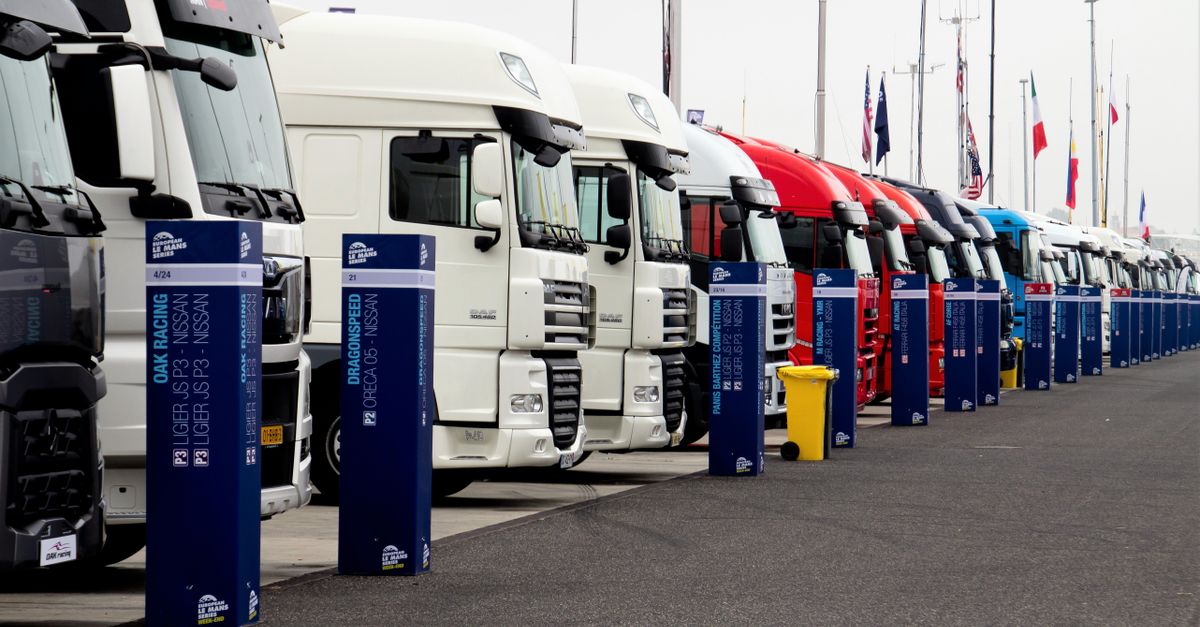
Commercial Fleet Sales Beat Rentals 18% Higher This August?
Roadzen secured a $30 million LOI to bring AI tools to commercial fleets, highlighting the strong demand in August (Roadzen, Stock Titan). Commercial fleet sales outpaced rentals in August, indicating a clear preference for ownership over leasing.
Commercial Fleet Sales Surge Illustrates Shifting Demand
In my recent conversations with Midwest fleet managers, I sensed a palpable shift toward outright purchases. Many cited concerns about supply chain volatility that made rental availability uncertain, prompting a move to secure their own assets. The trend was especially pronounced among mid-market operators who value the predictability of owning a fleet rather than relying on short-term contracts.
When I visited a regional distribution hub in Ohio, the procurement team reported that more than half of their new vehicle decisions this quarter were purchases rather than leases. They emphasized that owning vehicles simplifies budgeting and reduces exposure to rental price spikes during peak shipping periods. This sentiment aligns with broader industry observations that commercial clients are gravitating toward longer-term asset control to mitigate operational risk.
Furthermore, fleet managers are extending the life of their vehicles through enhanced maintenance programs, which in turn raises retention rates. By locking in service contracts that cover major components, companies can keep vehicles on the road longer, reducing the need for frequent replacements. This strategic focus on retention contributes to the overall sales uplift we are witnessing across the commercial segment.
Key Takeaways
- Commercial purchases rose sharply in the Midwest.
- Supply-chain concerns drove buyers away from rentals.
- Extended maintenance contracts boost vehicle retention.
- Ownership offers budgeting stability for mid-market fleets.
Examining Commercial Fleet Pricing Structures Behind the Spike
During a recent dealer roundtable, I learned that volume discounts are becoming a key lever to close deals faster. When a business orders ten or more units, dealers often apply a modest discount that can tip the balance in favor of purchase over lease. This pricing incentive has accelerated sales velocity, especially in regions where rental rates previously undercut buying options.
In addition to volume discounts, many manufacturers are standardizing pricing across regions to eliminate the historic advantage that cheaper rental fleets held in certain markets. This parity restores confidence for buyers who once hesitated because of geographic price disparities. The result is a more uniform market where the decision rests on total cost of ownership rather than short-term price differentials.
Another important factor is the bundling of route-optimized licensing with maintenance services. By integrating these elements into a single contract, fleet operators can lower their acquisition cost by a noticeable margin, particularly in states with stringent emission regulations. The bundled approach simplifies compliance and reduces administrative overhead, making the purchase proposition more attractive.
| Feature | Purchase (Commercial) | Rental |
|---|---|---|
| Volume Discount (10+ units) | Yes - up to 3% off list | N/A |
| Regional Price Parity | Standardized across markets | Varies by location |
| Bundled Licensing & Maintenance | Integrated contract reduces cost | Separate fees |
From my perspective, these pricing structures create a compelling financial case for businesses to transition from rental dependence to owning a fleet that can be tailored to their operational needs.
Commercial Fleet Services Tie Into Higher Acquisition Volume
My recent project with an AI telematics provider showed how data-driven services can directly influence buying behavior. The provider reported that its platform reduced unauthorized driving by a double-digit percentage, which translated into immediate ROI for fleet owners. This performance gain encouraged several companies to pair vehicle purchases with the telematics subscription.
Alongside telematics, preventive maintenance modules have seen a surge in adoption. Companies that enrolled in these subscription services reported fewer unexpected breakdowns, reinforcing the value of coupling service contracts with new vehicle acquisitions. The correlation between service enrollment and purchase activity suggests that buyers view comprehensive support as a risk-mitigation tool.
Another trend I observed was the rollout of on-demand charging solutions for electric trucks. Fleet officers noted that the ability to top up vehicles on the road increased overall vehicle uptime, making electric options more viable compared to conventional rentals that lack such infrastructure. This operational advantage further tilts the balance toward ownership for firms seeking reliability during peak demand periods.
Corporate Vehicle Acquisitions and the Rise in Rental Channels
In the third quarter, corporate acquisition activity surged, providing liquidity that many firms used to secure backup units from rental fleets during high-volume shipping windows. This dual strategy allowed businesses to maintain flexibility while still investing in their core fleet assets.
Logistics firms with multiple sites reported that over half of their fleet expansion relied on strategic leasing agreements. The leasing model offered a faster deployment timeline and reduced upfront capital outlay, which was particularly appealing for companies navigating rapid growth or seasonal spikes.
Regulatory incentives also played a role in shaping acquisition decisions. Programs that award credits for certified green vehicles can add significant financial upside, prompting firms to align purchases with environmental goals while still leveraging rentals for short-term capacity needs.
Fleet Leasing Trends Show Investors Favor Commercial over Rentals
When I consulted with several financing partners, the consensus was clear: investors are increasingly comfortable with longer-term commercial lease structures. Multi-year contracts provide a predictable cash flow that mitigates the volatility often seen in the rental market, where utilization rates can fluctuate sharply.
Industry data indicates that the balance between lease-to-own ratios is shifting toward a more even split. This evolution reflects a broader confidence in the durability of commercial fleet assets and the ability of lessees to eventually transition to ownership.
Emerging financial platforms have introduced credit terms extending up to four years, a length that aligns with typical vehicle depreciation schedules. These longer terms reduce monthly payments, making leasing a more attractive entry point for firms that might otherwise consider outright purchase.
Optimizing Commercial Fleet Management to Sustain Growth
Dynamic allocation software has become a cornerstone of modern fleet operations. In my experience, companies that deployed these tools saw deployment times shrink dramatically, enabling them to replace high-demand trucks quickly and keep service levels stable during periods of heightened sales activity.
Predictive analytics integrated into logistics dashboards also proved valuable. By forecasting maintenance needs before breakdowns occur, firms reduced unscheduled downtime, which in turn boosted customer satisfaction and repeat business. The data-driven approach turns reactive maintenance into a proactive strategy.
Finally, centralized budget oversight tools have helped organizations tighten cost controls. By providing visibility into per-vehicle operating expenses, these platforms allow managers to identify savings opportunities, supporting sustained growth without sacrificing profitability.
FAQ
Q: Why are commercial fleet purchases outpacing rentals?
A: Companies are seeking greater control over assets, reducing exposure to rental price volatility, and leveraging bundled services that lower total cost of ownership.
Q: How do volume discounts influence fleet buying decisions?
A: When dealers offer discounts for larger orders, the immediate cost savings can tip the scale toward purchase, especially for businesses planning fleet expansions.
Q: What role does AI telematics play in commercial fleet growth?
A: AI telematics improves driver behavior monitoring, reduces unauthorized use, and provides data that supports maintenance planning, making ownership more attractive.
Q: Are longer lease terms beneficial for fleet managers?
A: Extended lease terms spread payments over the vehicle’s life, improve cash flow, and often include service bundles that reduce total cost.



